
What Do Wheezing and Crackles Actually Mean?
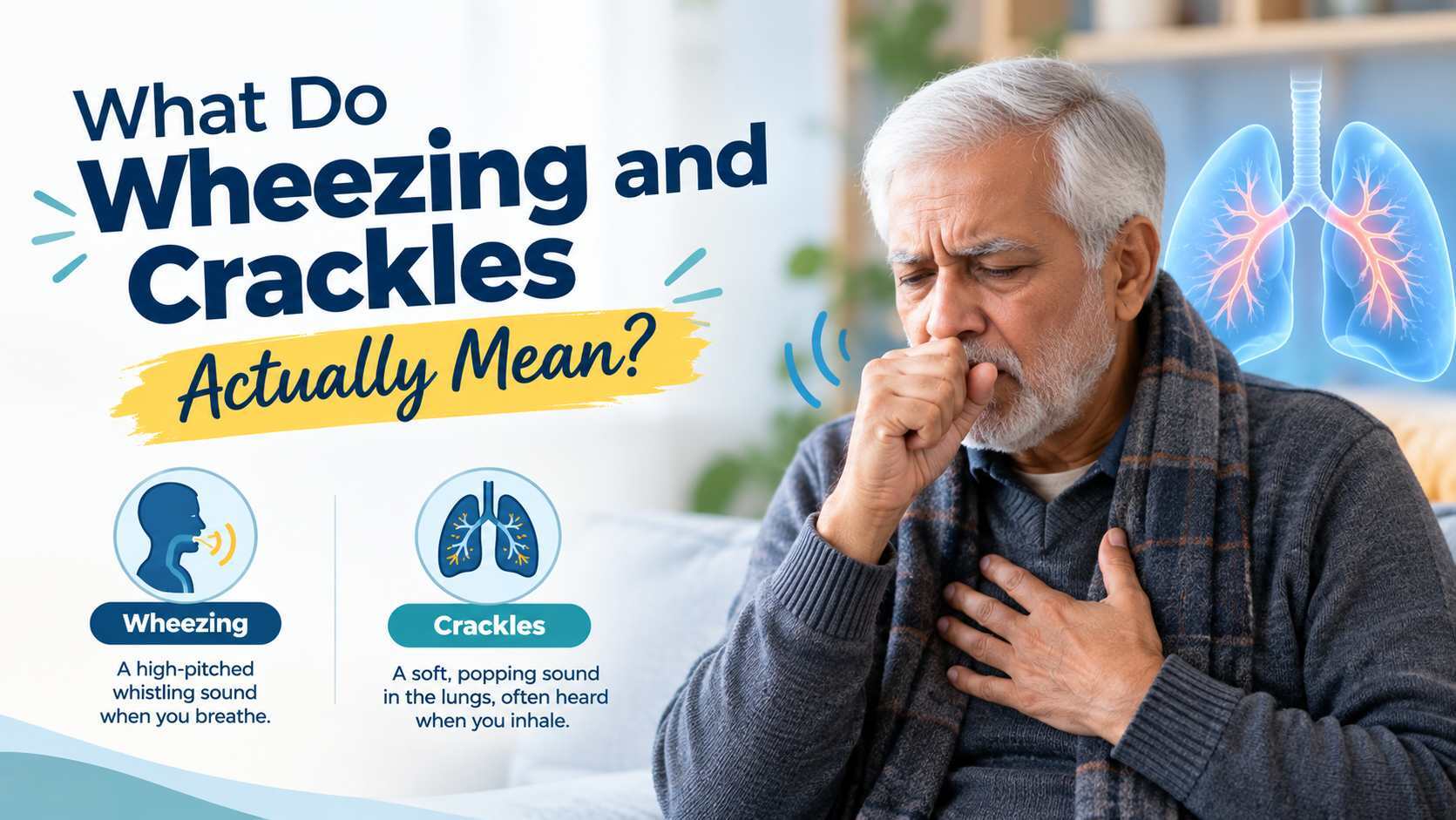
Ever had a doctor put a stethoscope to your chest, listen for a few seconds, and say something like "I hear a bit of wheezing" or "there's some crackling here"? If you nodded along without really knowing what that meant, you're definitely not alone. Most of us go our whole lives without ever really learning what our own lungs sound like — until something changes and we're suddenly trying to understand terms like wheezing and crackles for the first time.
The good news is, these two lung sounds aren't as mysterious as they seem. They're actually two of the most useful clues your body gives off when something in your respiratory system needs attention. In this post, we're breaking down exactly what wheezing and crackles are, how they differ, what usually causes each, and when they're worth taking seriously. And since this is something we think about a lot at Know Your Lung Health (Kylunghealth), we'll also touch on how our AI cough analysis tool ties into all of this.
First Things First: Wheezing and Crackles Are Not the Same Thing
A lot of people lump every strange breathing sound into one category — "something's wrong with my chest" — but wheezing and crackles come from completely different mechanisms inside your lungs. Understanding the difference actually matters, because it points toward very different causes.
Wheezing is a high-pitched, whistling sound. Think of it like air being forced through a narrow straw instead of moving freely. It usually happens because your airways — the tubes that carry air in and out of your lungs — have become narrower than normal, often due to inflammation, muscle tightening, or mucus buildup.
Crackles, on the other hand, sound completely different. Instead of a smooth whistle, crackles are short, popping or rattling sounds — often compared to the sound of Velcro being pulled apart, or a fire quietly crackling. These happen when small air sacs or airways that had collapsed or filled with fluid suddenly pop back open as you breathe in.
So while both are considered abnormal lung sounds, wheezing is about narrowing, and crackles are about fluid or collapse. Same general category — very different story underneath.
Wheezing Sound: What It Actually Means
Let's start with wheezing, since it's probably the more familiar of the two. A wheezing sound happens when air is forced through airways that have become tighter than usual. This is why you'll often hear people describe it as a whistling, musical, or squeaky noise, especially when breathing out.
Here's something interesting — the timing of wheezing actually matters:
- Wheezing when breathing out (exhaling) is by far the most common pattern. This usually points toward lower airway issues, like asthma, where the airways narrow specifically during exhalation.
- A wheezing sound when inhaling is less common and can sometimes suggest a blockage higher up, closer to the throat or windpipe.
If you've noticed wheezing when exhaling more than inhaling, that's a helpful detail to mention if you ever bring this up to a doctor — it genuinely helps narrow down what might be going on.
Common Causes Behind Wheezing
There isn't just one reason people wheeze. Some of the most common causes include:
- Asthma — probably the most well-known cause of wheezing symptoms, where airways become inflamed and narrowed in response to triggers like allergens, exercise, or cold air
- COPD — chronic narrowing of the airways that often causes ongoing wheezing lung sounds, especially with activity
- Respiratory infections — colds, bronchitis, and pneumonia can all cause temporary airway inflammation and wheezing
- Allergic reactions — swelling in response to allergens can cause sudden, sometimes severe wheezing
- Acid reflux — believe it or not, stomach acid irritating the airways can trigger wheezing in some people
Wheezing in Lungs vs. Wheezing in the Throat
Here's a distinction that trips a lot of people up: wheezing in the lungs and wheezing in the throat are not the same thing, even though they might sound similar to an untrained ear. Lung-based wheezing comes from the smaller airways narrowing deep inside your chest — this is the type most associated with asthma and COPD. Throat-based wheezing (sometimes called stridor) comes from narrowing higher up, near the vocal cords, and can be caused by swelling, irritation, or in rare cases, something obstructing the airway. If wheezing seems to be coming from your throat rather than your chest, especially if it started suddenly, it's worth getting checked out fairly quickly.
A Quick Note for Parents: Baby Wheezing
If you're a parent, baby wheezing probably sounds terrifying the first time you hear it — and it's completely understandable to worry. Babies have smaller airways, so even minor swelling from a cold or mild infection can create a noticeable wheeze. Most of the time it's related to common viral infections, but if your baby is wheezing along with rapid breathing, trouble feeding, or a bluish tint around the lips, don't wait — get medical help right away.
Difference Between Asthma and Wheezing
One thing that confuses a lot of people is the difference between asthma and wheezing — understandably, since they're so closely linked. Here's the simplest way to think about it: wheezing is a symptom, asthma is a condition. You can wheeze from a cold, an allergic reaction, or even mild acid reflux without having asthma at all. But asthma, as a chronic condition, very frequently produces wheezing during flare-ups. So while all asthma flare-ups might involve wheezing, not all wheezing means you have asthma.
How to Stop Wheezing Immediately
If you're dealing with mild wheezing, say from a cold, resting, staying hydrated, and avoiding smoke or strong irritants can help calm things down naturally. But if you already know your wheezing is asthma-related, a prescribed rescue inhaler is typically the fastest, safest way to open up your airways. If you're wheezing for the first time, especially alongside breathing difficulty, it's better to get evaluated than to try and figure out how to stop wheezing immediately on your own — sudden wheezing sometimes needs prompt treatment, not home remedies.
Now Let's Talk About Crackles
If wheezing is the whistle, crackles are the pop. Crackles in breathing happen when small airways or air sacs that were collapsed or filled with fluid suddenly reopen as air moves through them during a breath. It's a completely mechanical sound — nothing to do with narrowing, everything to do with fluid, inflammation, or structural changes deep in the lungs.
What Crackles Actually Sound Like
Doctors typically describe crackles in lung sounds as either:
- Fine crackles — softer, higher-pitched, shorter bursts, often linked to conditions affecting the smaller air sacs, like early heart failure or pulmonary fibrosis
- Coarse crackles — louder, lower-pitched, and longer, usually tied to more fluid or mucus sitting in larger airways, like in pneumonia or bronchitis
If you've ever heard someone describe coarse crackles in lungs compared to a finer, more delicate crackling, this is exactly the distinction they're making — and it genuinely helps clinicians figure out what's happening.
What Causes Crackles?
Some of the most common reasons behind crackles in the chest include:
- Pneumonia — fluid filling the small air sacs is one of the classic causes of pneumonia crackles, and it's often paired with a cough, fever, and fatigue
- Heart failure — when fluid backs up into the lungs, it creates a very distinctive crackling pattern
- Pulmonary fibrosis — scarring of lung tissue causes a fine, persistent crackling, often compared to Velcro
- Bronchitis — inflammation and mucus buildup in the airways can create a coarser crackling sound
- COPD — in more advanced stages, crackles can show up alongside wheezing
Pneumonia Breath Sounds: A Closer Look
Since pneumonia comes up so often in relation to crackles, it's worth zooming in. Pneumonia breath sounds aren't just about the crackling itself — as fluid fills the lungs, it also changes how normal breath sounds travel, sometimes making them sound louder or harsher than usual. This shift, combined with crackling, is part of why a stethoscope exam remains such a useful (and quick) diagnostic tool for suspected pneumonia, alongside other types of bronchial breath sounds clinicians are trained to recognize.
Crackling From Lungs: When Should You Pay Attention?
Unlike a mild cough that often resolves on its own, crackling from the lungs is generally something worth mentioning to a doctor rather than waiting it out. This is especially true if you notice it alongside:
- A persistent or worsening cough
- Fever or chills
- Shortness of breath
- Swelling in your legs or ankles (which can point toward a heart-related cause)
Crackles heard for the first time, particularly with breathing difficulty, usually warrant a prompt evaluation rather than a "let's see how it goes" approach.
Wheezing and Crackles Together: What Does That Mean?
Sometimes both sounds show up together, and honestly, that's not unusual — especially in conditions like COPD, where chronic airway narrowing (causing wheezing) can coexist with fluid or mucus buildup (causing crackles). When both are present, it usually points toward a more complex or advanced respiratory picture, which is exactly why a full evaluation — not just identifying one sound — matters so much.
So, Where Does Kylunghealth Fit In?
At Know Your Lung Health, our mission is pretty simple: make understanding your respiratory health less confusing and more accessible, without needing a medical degree to interpret what's going on. Our AI cough analysis tool lets you record a short sample of your cough right from your phone, and our AI listens for patterns in that sound — similar in spirit to how a clinician listens for differences between coughs — and gives you an easy-to-understand respiratory risk overview.
We want to be upfront: our current tool focuses specifically on analyzing coughs, not directly identifying wheezing or crackles through a stethoscope-style exam. But cough, wheezing, and crackles are often part of the same bigger picture — if you've noticed any of these symptoms together, running a quick assessment through Kylunghealth can be a genuinely useful starting point before deciding whether an in-person evaluation is the right next step. You can start your free assessment here in just a couple of minutes.
If you want to go deeper on either topic, we've also put together dedicated guides on wheezing and crackles, covering causes, patterns, and when to seek care in more detail.
When to Actually See a Doctor
To keep things simple, here's when either sound is worth acting on rather than waiting it out:
- Wheezing or crackles that show up suddenly, especially for the first time
- Either sound paired with shortness of breath or chest tightness
- A fever alongside crackling (possible sign of infection like pneumonia)
- Bluish lips or fingertips (seek emergency care immediately)
- Sounds that don't improve, or get worse, over a few days
If you're ever unsure, it's always better to get checked than to assume it'll pass. Respiratory symptoms that stick around usually have a reason behind them, and catching things early tends to make treatment simpler.
For more general information on lung sounds and how doctors interpret them, resources like the American Lung Association offer solid, reputable background reading alongside your own doctor's guidance.
The Bottom Line
Wheezing and crackles might both fall under the umbrella of "weird chest sounds," but they tell very different stories. Wheezing points to narrowed airways — often tied to asthma, COPD, or infections. Crackles point to fluid, collapse, or structural changes deeper in the lungs — often linked to pneumonia, heart failure, or chronic lung conditions. Neither one is something to diagnose yourself from a quick internet search, but understanding the difference can help you describe your symptoms more clearly and know when it's time to get checked out.
If you've been dealing with an ongoing cough alongside either of these sounds, don't just sit with the uncertainty. Try Kylunghealth's free AI cough analysis today and take the first step toward understanding your respiratory health a little better.
Next step
Ready to capture a cough sample?
Start a free Kylunghealth assessment and generate a clinician-ready respiratory risk snapshot in minutes.

FAQ
Frequently asked questions
Wheezing is a continuous, whistling sound caused by narrowed airways. Crackles are short, popping sounds caused by fluid or collapsed air sacs suddenly reopening. One is about narrowing, the other is about fluid or collapse.