What Is Pneumonia?
Pneumonia is an infection that inflames the air sacs in one or both lungs, which may fill with fluid or pus. This interferes with normal oxygen exchange, causing the characteristic symptoms associated with the condition. Pneumonia can be caused by bacteria, viruses, or, less commonly, fungi, and it can range from mild enough to manage at home to severe enough to require hospitalization, particularly in young children, older adults, and people with weakened immune systems or underlying health conditions.
Recognizing Pneumonia Symptoms
Common signs and symptoms of pneumonia include:
- A cough that may be dry initially but often becomes a wet cough with phlegm, sometimes discolored
- Fever, chills, and sweating
- Chest pain that often worsens with deep breathing or coughing
- Shortness of breath, even with mild exertion
- Fatigue and general weakness
- In some cases, particularly in older adults, confusion may be a prominent symptom, sometimes even more so than typical respiratory symptoms
Understanding the Pneumonia Cough Sound
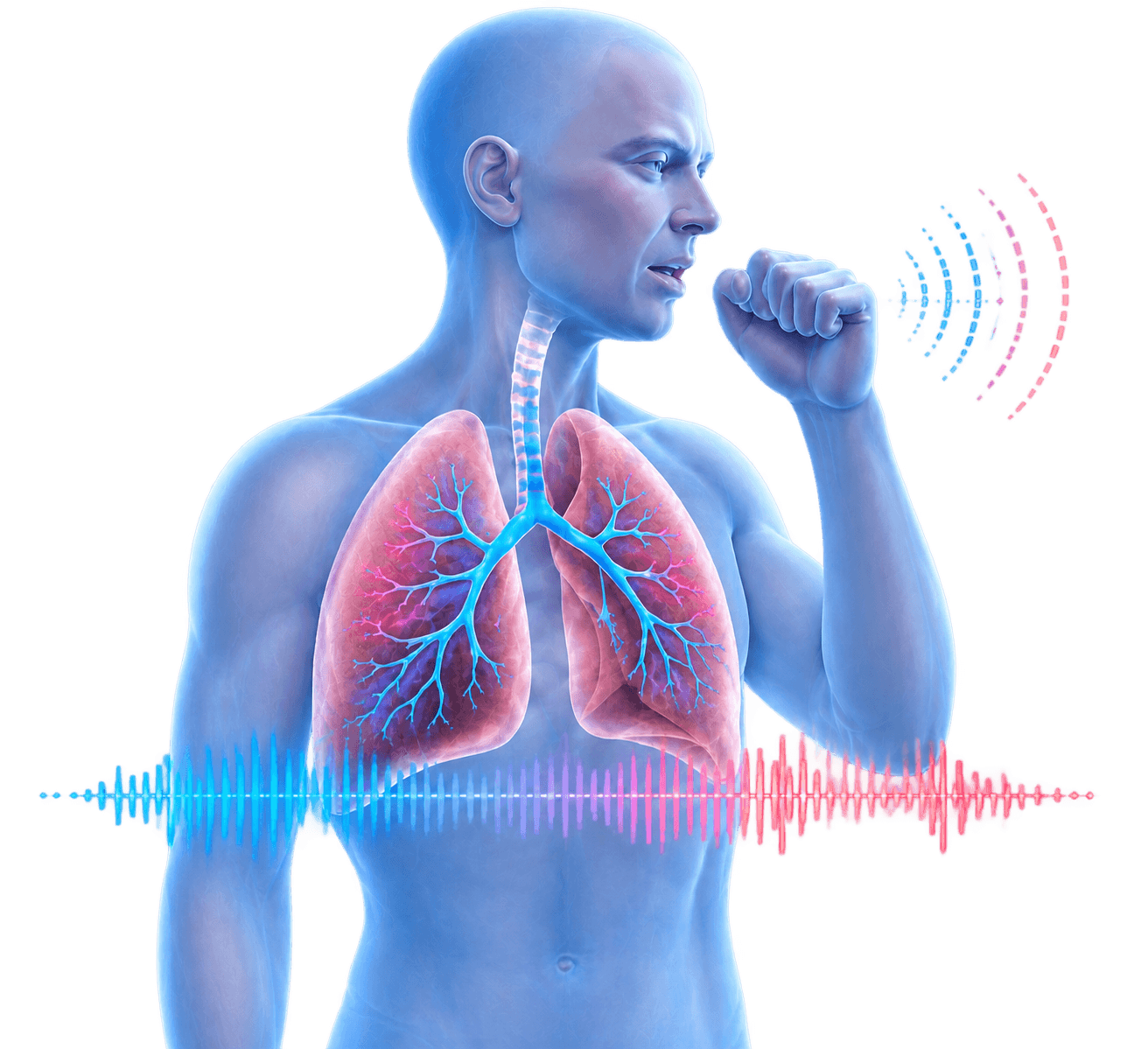
The pneumonia cough sound is often distinctively deep and can have a wet, rattling quality, reflecting fluid and inflammation within the affected lung tissue. Unlike the drier, tickly cough often seen with upper respiratory infections, a pneumonia-related cough frequently brings up thicker mucus, sometimes tinged yellow, green, rust-colored, or occasionally blood-streaked.
It's worth noting that not everyone with pneumonia has an obviously distinctive cough — some people, particularly older adults, can have surprisingly mild cough symptoms despite significant lung involvement, which is part of why cough character alone should never be relied upon to rule pneumonia in or out.
Pneumonia Breath Sounds: What Doctors Listen For
Pneumonia breath sounds have a fairly recognizable pattern during auscultation, which is part of why a physical exam remains a valuable diagnostic tool even in the age of imaging. Key findings often include:
- Crackles (crepitation) — typically concentrated in the area of the lung affected by infection, caused by fluid and inflammatory material disrupting normal airflow through the small airways and air sacs.
- Bronchial breath sounds heard outside their normal location — Normally, these louder, hollow sounds are only expected near the central airways. When infected lung tissue becomes dense with fluid, it transmits sound differently, causing these harsher sounds to appear in the outer lung fields where they wouldn't normally be heard.
- Decreased breath sounds — in some cases, particularly if there's a significant amount of fluid accumulation.
- Egophony — a phenomenon where the transmitted sound of a spoken voice takes on a distorted, nasal quality over the affected area — a subtle finding better assessed by a trained clinician than through self-screening.
Causes and Risk Factors
Pneumonia can develop from several different sources:
- Bacterial pneumonia — often caused by organisms like Streptococcus pneumoniae, tends to come on relatively quickly and can be more severe without treatment.
- Viral pneumonia — can result from influenza, respiratory syncytial virus (RSV), or other respiratory viruses, including as a complication of COVID-19.
- Aspiration pneumonia — occurs when food, liquid, or saliva is inhaled into the lungs rather than swallowed properly, more common in people with swallowing difficulties or reduced consciousness.
Risk factors for developing pneumonia include being very young or older in age, having a weakened immune system, chronic conditions like COPD, asthma, diabetes or heart disease, smoking, and recent hospitalization or surgery.
Community-Acquired vs Hospital-Acquired Pneumonia
Pneumonia is often categorized by where it was acquired, which affects both likely causes and treatment approach. Community-acquired pneumonia develops outside of a healthcare setting and is the most common form most people encounter. Hospital-acquired pneumonia develops during or shortly after a hospital stay and can involve more resistant organisms, generally requiring a different treatment approach.
Pneumonia in Different Age Groups
Pneumonia can present somewhat differently depending on age. In infants and young children, symptoms may include rapid or labored breathing, poor feeding, and irritability, sometimes without the more classic fever or cough being especially prominent. In older adults, pneumonia can present atypically as well — sometimes with confusion, weakness, or a general decline in functioning as the most noticeable symptoms, with fever and cough being comparatively mild or even absent altogether. This atypical presentation in both very young and older populations is exactly why caregivers should maintain a relatively low threshold for seeking medical evaluation in these groups when something seems generally 'off,' even without the textbook combination of symptoms being clearly present.
Recognizing the combination of symptoms associated with pneumonia — rather than any single symptom alone — is where our condition screening tool provides the most value. By analyzing your cough characteristics alongside lung sound patterns like crackles and any signs of bronchial breath sounds in unexpected locations, combined with reported symptoms like fever and chest pain, our AI can help identify patterns consistent with pneumonia and clearly flag when prompt medical evaluation is warranted.
This kind of combined analysis mirrors, in a simplified way, how clinicians approach the initial assessment: no single finding confirms pneumonia on its own, but the right combination of signals raises meaningful suspicion that warrants further evaluation, potentially including a chest X-ray to confirm.
When Pneumonia Requires Emergency Care
Seek immediate medical attention if you or someone you're caring for experiences:
- Severe difficulty breathing
- Chest pain that's severe or worsening
- High fever that doesn't respond to typical measures
- Confusion, especially if new or sudden (particularly important to watch for in older adults)
- Bluish tint to lips or fingertips
- Rapid heartbeat alongside breathing difficulty
Taking Pneumonia Seriously, Without Panic
Pneumonia is a genuinely serious condition, but it's also a well-understood and generally very treatable one, particularly when identified early. Recognizing the combination of a wet, deep cough, characteristic breath sounds like crackles, fever, and breathlessness — and understanding when that combination warrants prompt medical care — is one of the most valuable things you can know about your respiratory health. Know Your Lung Health (Kylunghealth) condition screening, AI cough analysis, and lung sound analysis tools are built to help you recognize that combination clearly and act on it appropriately.