How COVID-19 Affects the Respiratory System
COVID-19 is caused by the SARS-CoV-2 virus, which primarily affects the respiratory system, though it can impact other parts of the body as well. Symptoms and severity vary considerably between individuals, ranging from mild, cold-like symptoms to more significant respiratory illness requiring medical care, depending on factors like vaccination status, prior infection, age, and underlying health conditions.
Common COVID-19 Respiratory Symptoms
Respiratory symptoms associated with COVID-19 commonly include:
- A dry cough, frequently reported as an early symptom
- Sore throat
- Nasal congestion or runny nose
- Shortness of breath, particularly in more significant cases
- Fatigue
- Fever or chills
- Loss of taste or smell, though this has become less consistently reported with more recent variants
Understanding COVID Cough Patterns
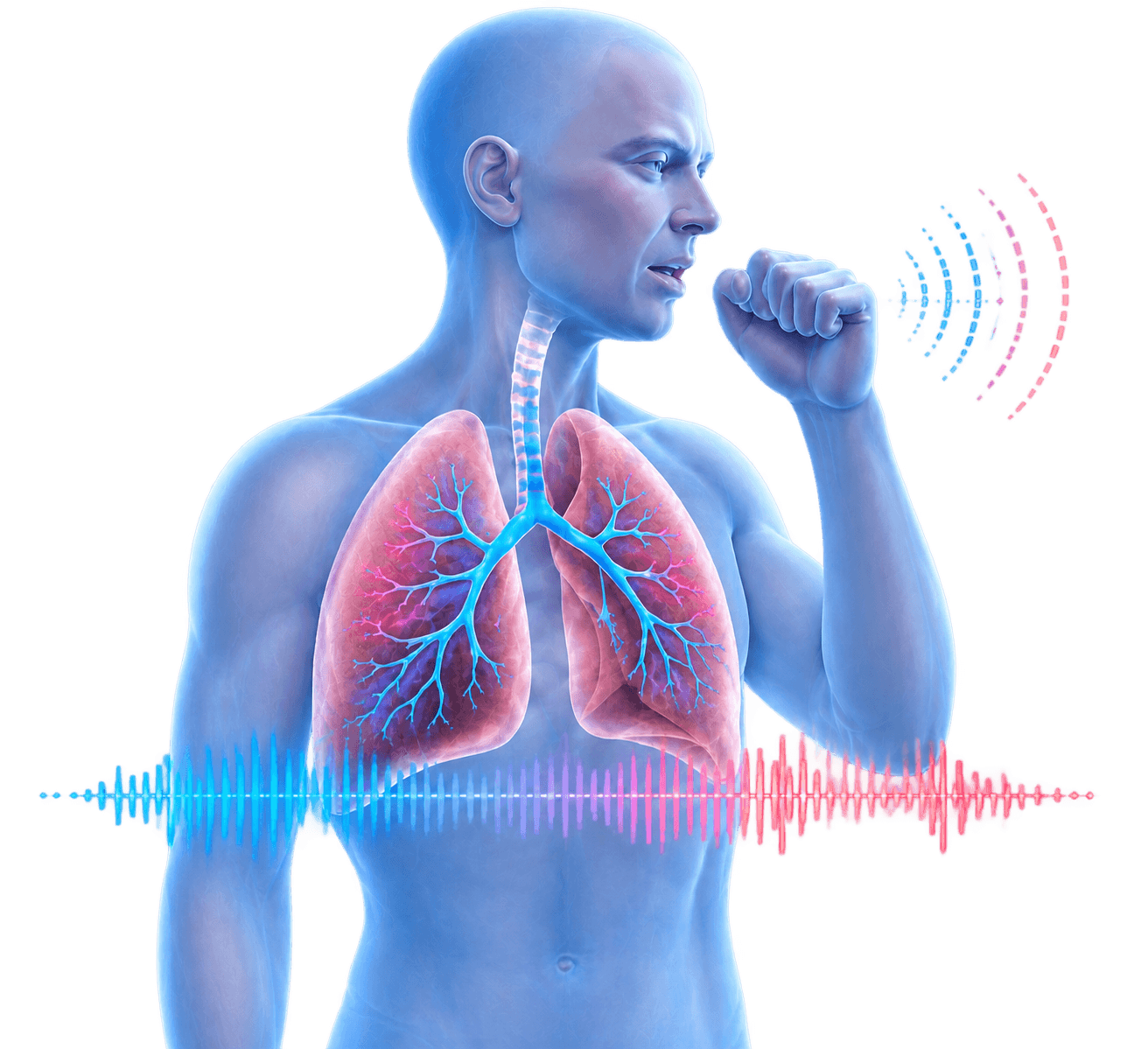
A dry cough has been widely reported as one of the more common symptoms of COVID-19, though cough character can vary meaningfully between individuals and has also shifted somewhat with different variants over time. Some people experience a persistent, tickly dry cough primarily, while others develop a wet cough in corona cases, particularly if a secondary bacterial infection develops or if the illness progresses to affect the lower respiratory tract more significantly.
During the earlier stages of the pandemic, researchers explored whether AI-based cough analysis could help distinguish COVID-related coughs from other respiratory illnesses based on subtle acoustic characteristics, with several studies finding promising, though not definitive, results. It's important to understand that no cough sound alone — from any tool, including ours — can confirm or rule out COVID-19 with certainty. Testing remains the most reliable method for that.
COVID-19 and Lung Sounds
In cases where COVID-19 progresses to involve the lower respiratory tract, lung sound changes similar to those seen in other forms of pneumonia can develop, including crackles (particularly fine crackles) in affected areas of the lung, and in some cases reduced overall breath sound intensity. These changes reflect inflammation and fluid accumulation within lung tissue, similar to patterns seen in bacterial or other viral pneumonias, though COVID-19 pneumonia has sometimes shown somewhat distinct patterns on imaging compared to more typical bacterial pneumonia.
How Kylunghealth Approaches COVID-19 Related Screening
Our platform doesn't diagnose COVID-19, and no respiratory screening tool honestly can. What our AI cough analysis and lung sound analysis tools can do is help characterize your symptoms — whether your cough is dry or wet, whether there are signs of wheezing or crackles suggesting the illness has progressed toward the lower respiratory tract, and how your symptoms are trending over the course of the illness. This kind of structured tracking can be genuinely useful context, both for your own peace of mind and for a healthcare provider if your symptoms are significant enough to warrant a visit.
Recovery and Lingering Symptoms
For some people, respiratory symptoms following COVID-19 can persist well beyond the acute infection, sometimes referred to as post-COVID or 'long COVID' symptoms. A lingering cough, ongoing mild breathlessness, or reduced exercise tolerance can continue for weeks or occasionally months after the initial infection has cleared. Tracking these lingering symptoms over time — noting whether they're gradually improving, staying stable, or worsening — can be valuable information to share with a healthcare provider if recovery seems slower than expected.
Testing Options for COVID-19
Testing remains central to confirming a COVID-19 diagnosis, and a few options are typically available depending on the situation: rapid antigen tests, which can be done at home and provide quick results, though with somewhat lower sensitivity, especially early in infection; and PCR tests, generally performed at a clinic or lab, which are more sensitive and remain a standard for confirming infection, particularly when rapid test results are negative, but symptoms strongly suggest COVID-19. If a rapid test comes back negative but symptoms persist or worsen, repeat testing after a day or two, or a follow-up PCR test, is often recommended.
Staying Informed, Not Alarmed
COVID-19 remains a respiratory illness worth taking seriously, but understanding its typical patterns — and knowing which signs suggest it's time to seek care — helps replace uncertainty with useful clarity. Kylunghealth's screening tools are here to support that understanding, tracking your symptoms objectively throughout illness and recovery, while testing and professional medical guidance remain the definitive resources for diagnosis and treatment decisions.