What Is a Wet Cough?
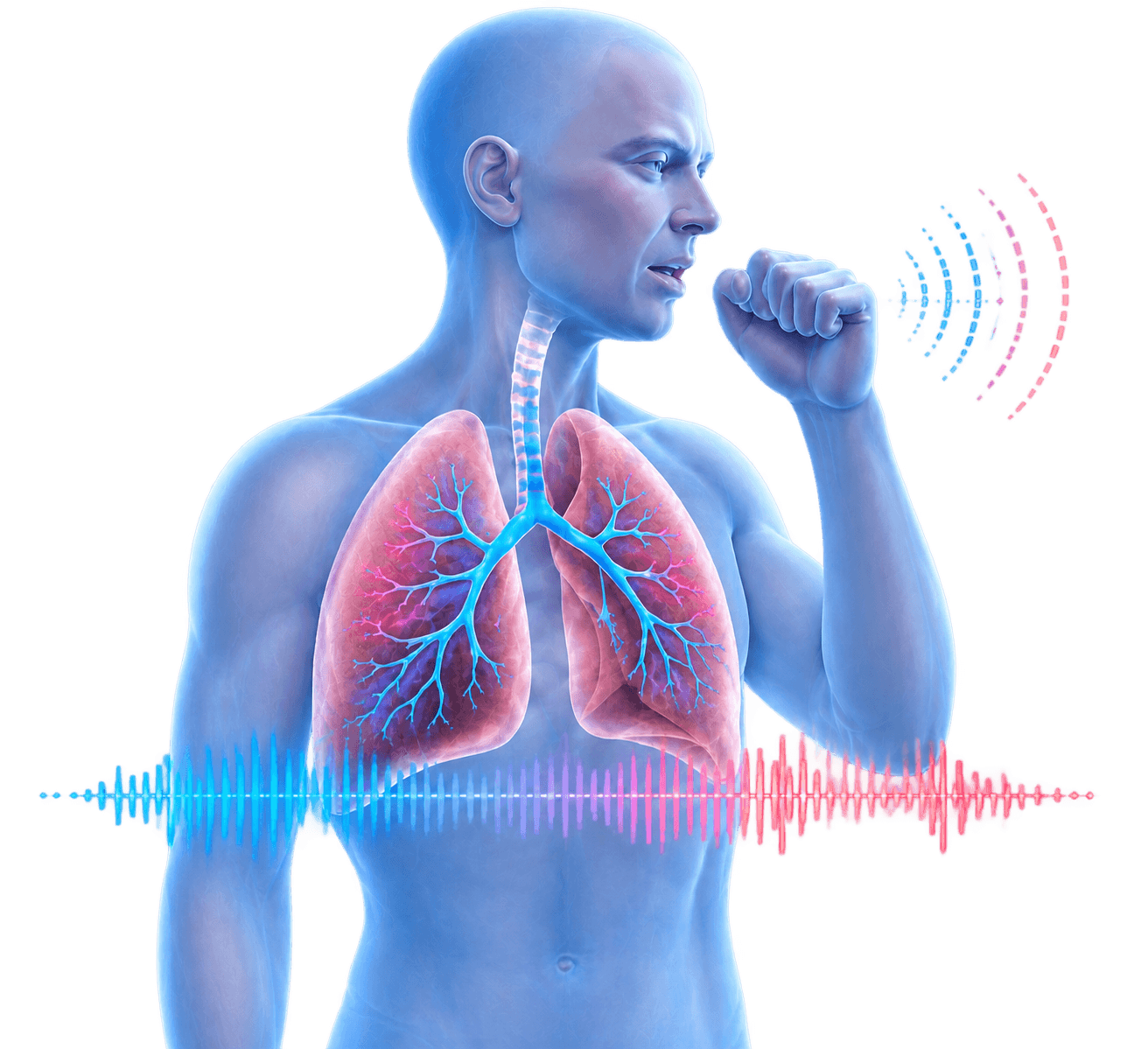
A wet cough — also called a productive cough — is a cough that brings up mucus or phlegm. It happens when your airways produce extra mucus, usually in response to inflammation, infection, or irritation, and your body coughs to clear it out. This is why a wet cough often feels heavier or more 'chesty' than a dry cough, and why people commonly describe it as a chesty cough.
Unlike a dry, tickly cough that's mostly about irritation, a cough with phlegm actually serves a purpose — it's your lungs' way of physically clearing out mucus, debris, or infection-fighting cells.
Wet Cough Causes
There are several common wet cough causes, and most of them relate to your respiratory system responding to something it needs to clear out:
- Common cold and flu — these often start dry and shift into a wet, chesty cough as the infection progresses
- Bronchitis — inflammation of the airways that leads to noticeably increased mucus production
- Pneumonia — a lung infection that often produces a wet cough along with fever and fatigue
- Chronic conditions like COPD — long-term inflammation in the airways leads to ongoing mucus buildup and a chronic wet cough
- Sinus infections and post-nasal drip — mucus draining from your sinuses can trigger a wet-sounding cough even without a chest infection
- Smoking — long-term smoking is one of the most common causes of a chronic, ongoing wet cough
Wet Cough in Corona (COVID-19)
One thing a lot of people search for is wet cough in corona — and it's a fair question, since COVID-19 symptoms have varied so widely from person to person. While COVID-19 is often associated with a dry cough, many people have also experienced a wet, productive cough, especially when the infection affects the lower respiratory tract or when a secondary infection develops. If your wet cough started around the same time as other COVID-like symptoms — fever, fatigue, loss of taste or smell, or shortness of breath — it's worth taking seriously and getting properly checked, rather than assuming it's 'just a cold'
When a Wet Cough Becomes a Concern
A short-term wet cough tied to a cold usually isn't something to worry about. But you should pay closer attention if:
- The mucus changes color (yellow, green, or blood-tinged)
- The cough lasts more than three weeks (this crosses into persistent dry cough or chronic cough territory, even when it started wet)
- You're also experiencing fever, chest pain, or shortness of breath
- The cough is getting worse instead of better after a week or two
- You notice long lasting cough patterns that keep returning even after treatment
An ongoing cough that keeps producing mucus for weeks at a time is your body flagging that something hasn't fully resolved — whether that's a lingering infection, chronic bronchitis, or another underlying issue.
How Kylunghealth Helps You Understand Your Cough
This is exactly the gap our AI cough analysis tool is designed to fill. Instead of guessing whether your wet cough is something to brush off or something to act on, you can record a short sample directly through the Kylunghealth AI cough analysis tool. Our AI analyzes the sound characteristics of your cough — similar to how a clinician listens for patterns during an exam — and gives you a clear, easy-to-read respiratory risk overview.
It's important to be upfront: this tool doesn't diagnose you, and it's not a replacement for a doctor's visit. What it does is give you a fast, accessible starting point, so you're not stuck wondering whether your chesty cough is worth mentioning to a healthcare provider or something you should just wait out.
The Bottom Line
A wet cough is your body's way of clearing something out — usually mucus from an infection, inflammation, or irritation. Most cases resolve within a week or two, but a wet cough that lingers, worsens, or comes with other symptoms deserves proper attention. If you're not sure where your cough falls, Kylunghealth's free AI cough analysis takes just a couple of minutes and gives you a helpful starting point.
Not sure if your cough needs attention?
and get instant insight into your respiratory health.