What Is a Dry Cough, Exactly?
A dry cough is a cough that doesn't bring up mucus or phlegm. Instead of feeling 'wet' or productive, it often feels scratchy, irritating, and almost impossible to stop once it starts. Many people describe it as a tickly cough — that itch-like sensation in the back of the throat that triggers coughing fits, especially at night or after talking for a while.
Unlike a productive cough, which clears mucus and can be your body's way of protecting your lungs, a dry cough is usually more about irritation — of your throat, airways, or the lining of your lungs — than about infection.
Common Causes of Dry Cough
There isn't just one cause of a dry cough — it's a symptom that can show up in a wide range of situations. Some of the most common causes of dry cough include:
- Viral infections — colds, flu, and other respiratory viruses often start with a dry, tickly cough before anything else shows up
- Allergies and post-nasal drip — when mucus drips down the back of your throat, it can trigger a dry cough reflex without actually being a chest issue
- Acid reflux (GERD) — stomach acid irritating your throat is a surprisingly common and often-missed cause of dry cough symptoms
- Dry or polluted air — cold weather, air conditioning, or smoke exposure can all dry out your airways
- Asthma — a dry cough is sometimes the only symptom of asthma, especially in a pattern known as cough-variant asthma
- Medication side effects — certain blood pressure medications (ACE inhibitors) are known to trigger persistent dry coughing
- COVID-19 and other respiratory viruses — a dry cough has been one of the most reported coughing symptoms during recent respiratory virus waves
If you're trying to figure out the cause of dry cough in your specific case, timing matters. A dry cough that shows up suddenly with a cold usually resolves on its own. One that lingers for weeks, especially without other cold symptoms, deserves more attention.
Dry Cough and Wheezing
Sometimes a dry cough doesn't come alone — it shows up alongside a whistling or wheezing sound when you breathe. Dry cough and wheezing together can point toward airway narrowing, which is common in asthma, allergic reactions, or even a lingering respiratory infection. If you notice this combination, especially if it happens more at night or after exercise, it's worth paying closer attention to your breathing patterns, not just the cough itself.
Dry Cough and Shortness of Breath
Another combination worth watching for is dry cough and shortness of breath. On its own, a dry cough is usually not alarming. But when it starts affecting how easily you breathe — climbing stairs feels harder, or you feel out of breath doing things that used to be easy — that's your body signaling something beyond simple throat irritation. This pairing can show up with asthma, bronchitis, or other airway conditions, and it's one of the clearer signs that a cough deserves proper evaluation.
How Kylunghealth Can Help
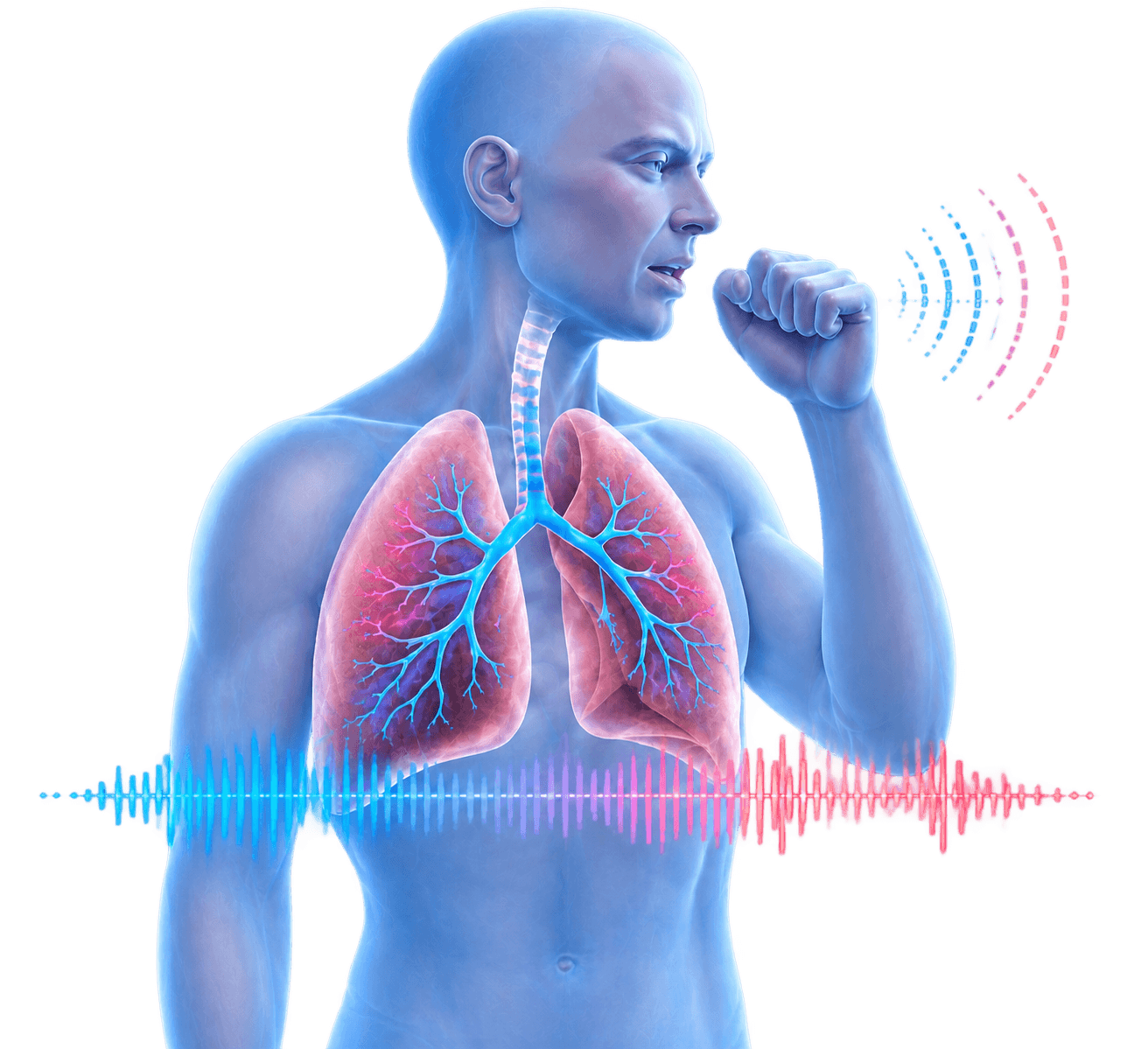
This is exactly where our AI cough analysis tool comes in. Instead of guessing whether your cough is 'just dry' or something that needs more attention, you can record a short sample of your cough directly through Kylunghealth. Our AI listens to the sound patterns of your cough — the same way a trained ear would — and gives you an easy-to-understand respiratory risk overview based on what it hears.
This isn't a replacement for seeing a doctor, and it's not a diagnosis. Think of it as a helpful first step — a way to get quick insight into your lung health before deciding whether a coughing symptom needs more medical follow-up. If you've been dealing with a tickly cough that won't quit, or a persistent dry cough that's starting to worry you, running a quick assessment can help you decide your next step with more confidence.